Agenda IB
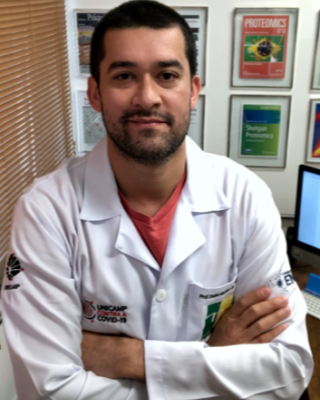
Daniel Martins de Souza
Expertise in mass spectrometry-based proteomics (shotgun proteomics) and systems biology in silico, employed to clinical and pre-clinical models for psychiatric disorders.
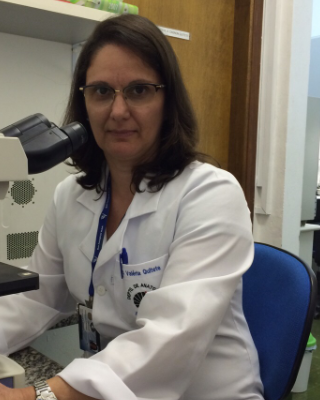
Valéria Helena Alves Cagnon Quitete
The Laboratory of Reproductive Biology has studied the prostatic microenvironmental changes such as proliferative lesions associated or not with the aging process. The prostatic stroma dynamics as well as the stroma-epithelium interaction have also been the focus of our research, due to the main roles of these glandular compartments in the development and progression of the prostatic lesions associated with inflammation; angiogenesis; and oxidative stress.

Sílvio Roberto Consonni
The main purpose of our lab is to recognize the effects of multiparity and ageing in cells and extracellular matrix during postpartum recovery at birth canal (pubic symphysis, uterine cervix and vagina) in mice. We pay particular interest to understand how birth and ageing have a significant effect in tissue homeostasis, which could help us to understand the pathophysiology of pelvic organ prolapse, urinary incontinence and preterm.